24 Oct 2026
Tracing Network Expansion Through Referral Incentives in Britain's Sportsbook Growth
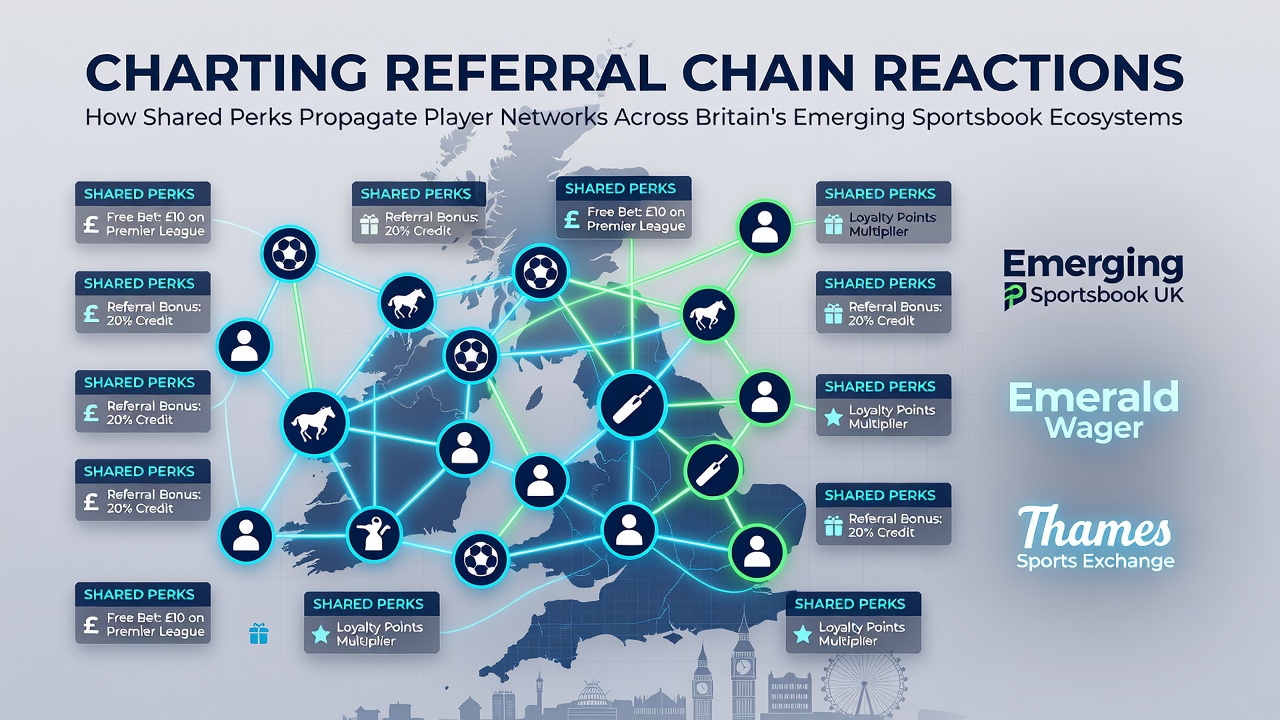
Referral incentives in Britain's sportsbook sector have created measurable patterns of network growth since the mid-2020s, with data from industry tracking services indicating that shared perks now account for a rising share of new account registrations at emerging operators. These systems operate through structured reward layers where an existing user receives credit for each successful referral while the new participant gains an initial deposit match or free bet allocation, and operators monitor the resulting chain lengths to adjust payout thresholds and eligibility windows.
Mechanics of Chain Propagation in Emerging Platforms
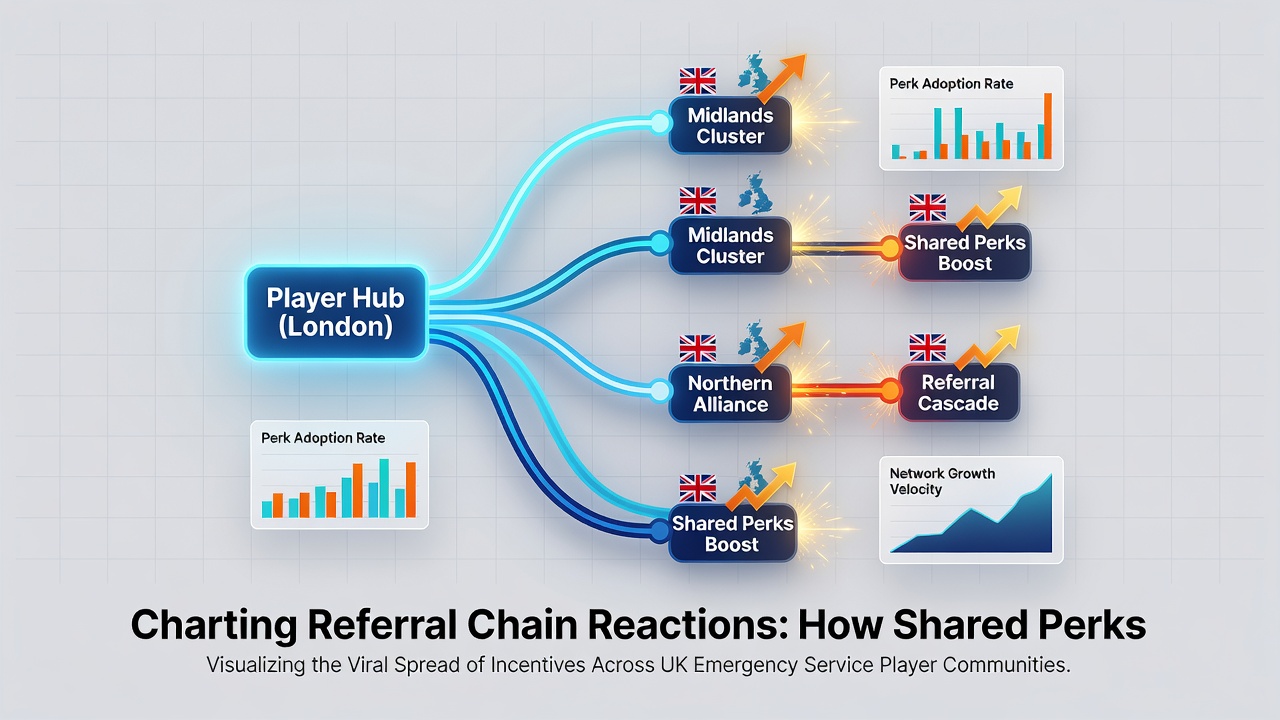
Operators in the UK's expanding digital betting market deploy referral programs that reward multi-level participation, where secondary referrals triggered by an initial invitee generate additional credits for the original referrer. Industry reports document average chain lengths extending to three or four participants before activity tapers, with operators adjusting bonus caps quarterly based on retention metrics collected through October 2026. Platforms such as newer challenger sites integrate these structures directly into mobile onboarding flows, allowing instant code sharing via messaging apps and social channels while backend systems flag accounts that exceed frequency limits set to prevent systematic exploitation.
Player Network Formation Across Regional Ecosystems
Network mapping conducted by analytics firms shows clusters forming around major urban centers and university towns, where word-of-mouth sharing accelerates signup velocity during major sporting calendars. Research from the Canadian Centre on Substance Use and Addiction highlights parallel patterns in regulated markets where referral loops strengthen community ties among participants who exchange strategy tips alongside bonus codes. In Britain, these networks often span multiple operators as users migrate between platforms to maximize layered rewards, creating cross-site connections tracked through unique affiliate identifiers embedded in each shared link.
Data Patterns Observed in 2026
Figures compiled through October 2026 reveal that referral-driven acquisitions now represent over 25 percent of monthly new registrations at mid-tier sportsbooks, according to aggregated platform disclosures. Operators report that chains initiated during Premier League and international cricket windows sustain longer activity periods compared with off-peak months, while tax adjustments implemented earlier in the year prompted some sites to shorten reward expiration periods from 90 days to 60. External analysis from the Australian Gambling Research Centre indicates that similar incentive structures in comparable jurisdictions produce network density increases of 15 to 20 percent within the first six months of program launch when combined with tiered loyalty overlays.
Regulatory and Operational Adjustments
Emerging sportsbook operators have responded to oversight requirements by implementing identity verification steps at the point of referral redemption, which reduces duplicate account attempts while preserving the core reward flow. Industry groups such as the European Gaming and Betting Association have published guidelines encouraging transparent disclosure of chain length limits and maximum cumulative rewards, measures that several British platforms adopted ahead of schedule in late 2026. These adjustments coincide with broader platform consolidation trends where smaller entrants acquire user bases through targeted referral campaigns rather than traditional advertising spends.
Cross-Platform Interactions and Network Resilience
Participants frequently maintain profiles across multiple sites, transferring referral momentum when one operator modifies its terms or experiences technical disruptions. Tracking studies demonstrate that resilient networks adapt by shifting activity toward platforms offering extended grace periods on bonus wagering, a behavior documented in anonymized transaction datasets shared among compliance teams. Academic reviews from institutions including the University of Nevada, Las Vegas International Gaming Institute note that such adaptability mirrors dynamics observed in other digital service sectors where referral mechanics serve as primary growth engines during market entry phases.
Conclusion
Referral chain reactions continue to shape user acquisition and retention strategies across Britain's developing sportsbook landscape as operators refine reward structures to balance growth targets against compliance obligations. Data collected through October 2026 underscores the role these programs play in building interconnected player communities while highlighting the operational adjustments required to sustain them amid evolving regulatory conditions.