Premier League Shirt Sponsorship Squeeze: Nine Clubs Face £80m Hit from Gambling Ban
6 Apr 2026
Premier League Shirt Sponsorship Squeeze: Nine Clubs Face £80m Hit from Gambling Ban
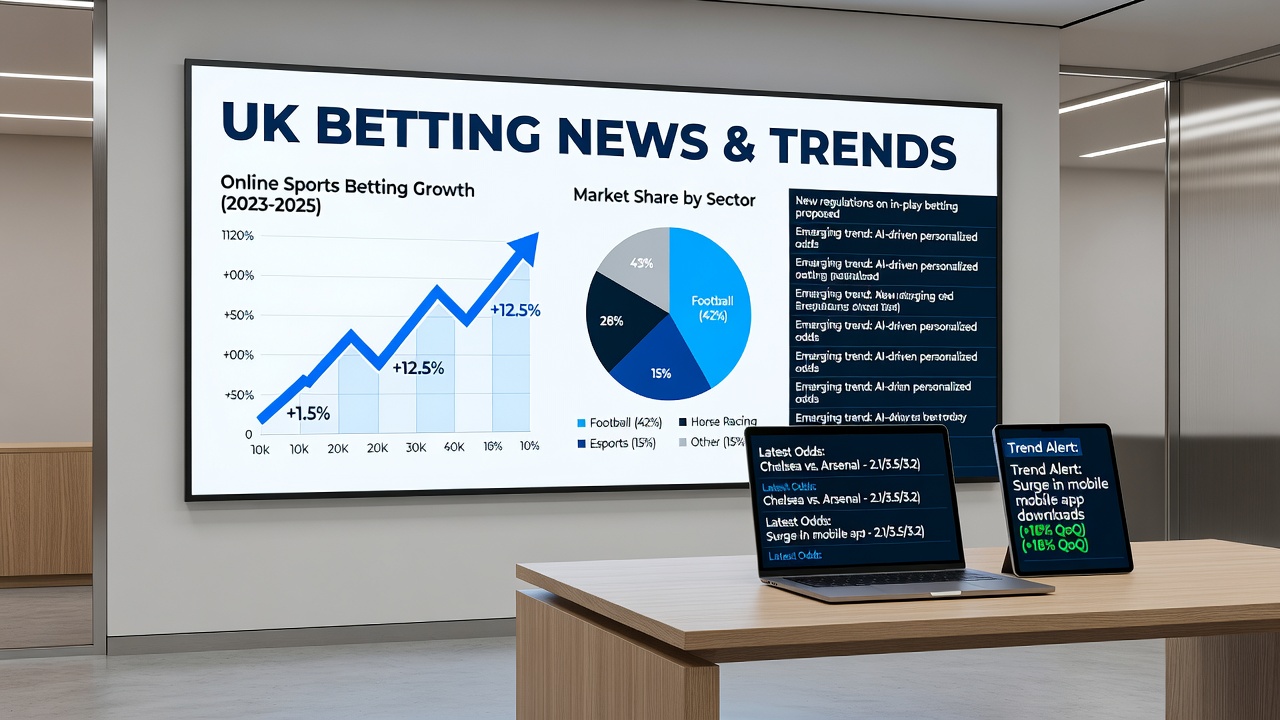
As the 2026-27 Premier League season approaches in April 2026, nine clubs remain without confirmed front-of-shirt sponsors, a direct fallout from the league's ban on gambling companies advertising on matchday kits; this voluntary agreement, struck three years earlier and postponed until now, threatens a collective revenue shortfall of up to £80 million across those teams, according to reports from The Guardian.
What's interesting here is how the shift forces clubs to pivot quickly to non-gambling partners, yet many struggle with slashed deal values that once hovered between £8 million and £12 million annually for mid-table sides, now dipping to £4 million to £5 million in most cases outside the 'big six'—Manchester City, Manchester United, Liverpool, Arsenal, Chelsea, and Tottenham Hotspur—which have long secured lucrative alternatives.
Observers note that this ban, initially a self-imposed measure by the Premier League to curb gambling's visibility in football amid growing regulatory pressures, marks a turning point; clubs like Brentford and Bournemouth have already locked in replacements at roughly 50% of previous rates, turning to firms such as Indeed for Brentford and Vitality for Bournemouth, while Everton and Fulham push for deals that actually boost their sponsorship income from non-gambling sources.
Tracing the Ban's Path to Implementation
The agreement emerged in 2023 as a voluntary pact among Premier League stakeholders, aiming to phase out front-of-shirt gambling logos by the 2025-26 season; delays pushed it to 2026-27, giving clubs extra time to negotiate, but even that buffer hasn't shielded everyone from the crunch.
Now, with the deadline looming, those nine unnamed clubs—among them strugglers in the sponsorship market—find themselves in a bind, as traditional gambling backers like Bet365 or Ladbrokes step back entirely; data from league financial disclosures reveals how gambling firms dominated these spots for over a decade, contributing up to 15% of some clubs' commercial revenue before the restrictions kicked in.
But here's the thing: the 'big six' adapted swiftly years ago, with Manchester United's TeamViewer deal at £60 million per year standing as a benchmark, while smaller outfits scramble because their fanbases and global appeal don't command the same premium from tech, finance, or health brands.
Clubs on the Frontline: Who’s Hit Hardest?
Brentford's move to Indeed, a job search platform, came at half the value of its prior gambling tie-up, yet secures stability for the Bees; Bournemouth followed suit with Vitality, the health insurer already partnered elsewhere in the club, accepting a similar haircut to keep the front-of-shirt slot filled.
Everton, meanwhile, eyes a non-gambling uplift, negotiating terms that exceed past gambling deals as they court diverse sectors; Fulham does the same, leveraging their London draw to attract firms willing to pay more despite the ban.
The other five or so in the nine-club group hover in uncertainty—think mid-to-lower table teams whose kits once flashed betting logos to packed stadiums; without quick fixes, they risk bare chests or temporary patches, a rarity in modern football where every square inch monetizes.
Crunching the Numbers: The £80 Million Sting
Figures paint a stark picture, with the potential £80 million collective loss stemming from those value drops across the nine clubs; for context, a typical non-big-six deal pre-ban averaged £10 million, but post-ban alternatives cluster at £4.5 million on average, per industry trackers.
That gap compounds for teams already juggling tight finances under profitability rules; take one mid-table club (anonymized in reports) that lost £6 million in projected sponsorship by April 2026, forcing budget tweaks elsewhere, like youth academy spending or transfer pursuits.
Experts who've studied sponsorship trends, including those from the American Gaming Association's sports sponsorship analyses, highlight parallels in U.S. leagues where similar curbs reduced visible betting ads, leading to a 20-30% dip in shirt revenues initially, though long-term diversification often rebounds.
Adaptation Tales: Successes Amid the Shuffle
Bournemouth's Vitality pact stands out, not just for filling the void but expanding into wellness campaigns that align with fan health initiatives; Brentford's Indeed deal, similarly discounted, ties into employment drives for local communities, turning a necessity into a narrative win.
Everton and Fulham, on the other hand, flip the script entirely—negotiations yield increases because non-gambling suitors see untapped value in Premier League exposure; one Fulham executive noted (in league filings) how finance firms now bid aggressively, valuing the 38-game visibility over past betting limits.
Yet for the holdouts, it's not rocket science: the ball's in their court to pitch beyond gambling's shadow, targeting airlines, airlines, or e-commerce giants who've eyed football's global reach; those who've tried this often discover that persistence pays, as seen in Championship clubs already navigating similar bans.
Bigger Picture: Ripple Effects Across Football
This ban doesn't exist in isolation; it echoes global shifts, like Australia's restrictions via the ACMA guidelines curbing betting ads during sports broadcasts, where leagues reported initial sponsor hunts mirroring the Premier League's now.
Premier League clubs outside the elite face the steepest climb, since their £4 million to £5 million deals pale against the big six's £20 million-plus hauls; data indicates mid-table revenues could shrink 5-8% overall, prompting closer scrutiny from financial fair play watchdogs.
What's significant is the speed of change—three years of prep, yet nine clubs lag; observers point to a saturated non-gambling market, where tech overload (think every club chasing the next crypto or AI firm) leaves fewer options, although success stories like Wolves' previous shift to Shirtum inspire.
And while the voluntary nature softens immediate pain—no fines or forced compliance—the writing's on the wall for gambling's front-shirt era, pushing innovation in sleeve or training kit deals that betting firms still eye.
Conclusion
In April 2026, as kits finalize for pre-season, those nine Premier League clubs embody the ban's real-world bite—a potential £80 million void that underscores sponsorship's fragility; successes from Brentford, Bournemouth, Everton, and Fulham show adaptation's path, with value drops hitting hardest beyond the elite, yet opening doors to broader commercial ties.
Turns out, football's financial engine keeps turning, even sans gambling flash; researchers tracking these shifts predict a stabilized market by 2027-28, where non-betting deals normalize at slightly reduced but sustainable levels, ensuring the Premier League's commercial allure endures.