19 May 2026
Precision in Play: How Segmentation Models Refine Bonus Targeting for UK Bettors
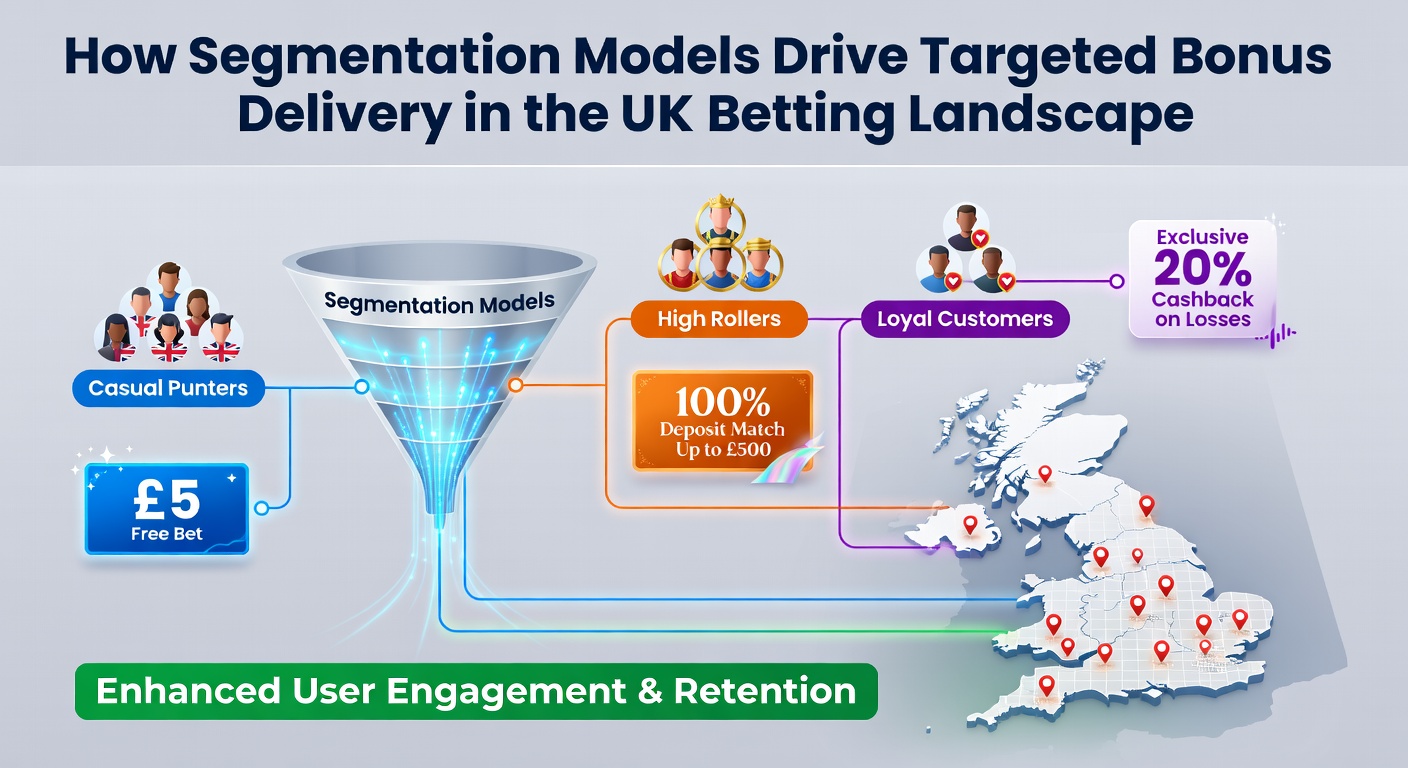
Segmentation models have become central to how UK betting operators distribute bonuses, turning raw customer data into precise offer structures that match individual profiles. These systems analyze betting history, deposit patterns, and engagement levels to divide users into distinct groups, allowing platforms to deliver rewards that align with specific behaviors rather than applying blanket promotions across the board.
Core Components of Segmentation in Betting Operations
Operators collect information from multiple touchpoints including transaction records, session durations, and preferred bet types, then feed this into algorithms that identify clusters such as high-frequency sports bettors or occasional casino players. Research from the Australian Gambling Research Centre indicates that such clustering improves retention metrics by highlighting users who respond best to certain incentive types, while those who study these systems note that variables like average stake size and game variety preferences often determine group placement.
What's interesting is how operators combine demographic details with behavioral signals to create layers of segmentation, for instance separating new registrants from long-term account holders or isolating users active during major sporting events. This layered approach ensures bonuses reach the right audience at the right moment, and data from industry reports shows operators achieving higher redemption rates when offers reflect these refined categories.
Implementation Across Major Platforms
Leading UK bookmakers integrate segmentation tools into their customer management systems, where automated rules trigger tailored bonuses such as enhanced odds for users who frequently wager on football accumulators or free spins for those favoring slot games. A study published by the Canadian Centre on Substance Use and Addiction found similar patterns in regulated markets, where targeted delivery reduced wasted promotional spend and increased user satisfaction scores over time.
Take one operator that noticed a subset of users depositing smaller amounts yet maintaining steady weekly activity; the platform responded by offering reload bonuses scaled to match those patterns, which observers note helped maintain engagement without overextending resources. And because segmentation updates continuously based on fresh data, offers evolve alongside shifting user habits, creating a dynamic system that adapts as seasons change and new events draw attention.
Data Sources and Analytical Techniques
Platforms draw from first-party data gathered through account activity alongside anonymized insights from third-party analytics providers, building comprehensive profiles without relying on external tracking alone. According to findings shared by the National Council on Problem Gambling in the United States, responsible segmentation also incorporates risk indicators to flag accounts that might benefit from moderated promotions rather than aggressive incentives.
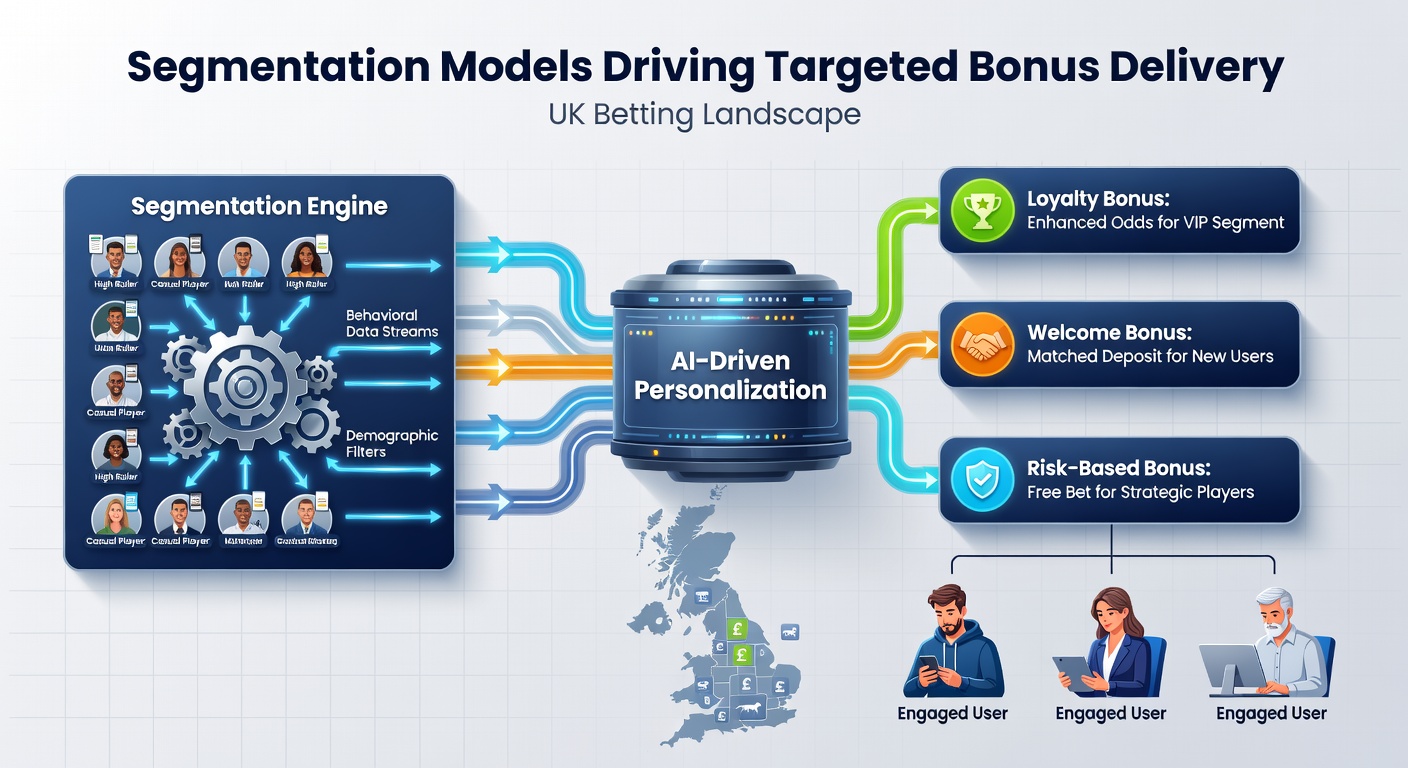
Techniques range from basic rule-based grouping to advanced machine learning models that predict future value and churn likelihood, allowing operators to prioritize high-potential segments with premium offers while nurturing others through smaller, consistent rewards. People who've examined these workflows often discover that combining recency, frequency, and monetary value metrics produces the most actionable clusters for bonus allocation.
Impact on User Experience and Industry Trends
Users encounter bonuses that feel more relevant because segmentation accounts for their unique journey through the platform, whether that involves weekend sports betting or midweek casino sessions. This personalization reduces the noise of irrelevant promotions and focuses attention on rewards that match demonstrated interests, which in turn supports longer-term platform loyalty across the sector.
Looking ahead to industry shifts expected in May 2026, including potential adjustments in operational costs for physical venues, segmentation models are positioned to play an even larger role in directing online traffic and bonus strategies as operators refine their digital focus. Reports from European gaming associations highlight how these tools help maintain compliance while still delivering competitive incentives tailored to distinct user cohorts.
Conclusion
Segmentation models continue to shape how UK betting platforms approach bonus delivery by turning broad datasets into focused, effective promotions that serve both operators and users. As analytical capabilities advance, the precision of these systems supports more efficient resource allocation and stronger alignment between offers and actual player preferences, setting a foundation for ongoing developments in the regulated betting environment.