14 Jul 2026
Building Player Loyalty: Tiered Reward Programs at British Sportsbooks

British sportsbooks have developed tiered reward structures that encourage ongoing participation through progressive benefits, and these systems operate by assigning players to levels based on activity metrics such as betting volume, deposit frequency, and account tenure. Operators calculate qualification thresholds using points earned from wagers, with each tier unlocking enhanced features including boosted cashback percentages, priority customer support access, and exclusive promotional events. Data from industry analyses shows that participants who maintain consistent engagement often advance through multiple tiers within a single calendar year, extending the overall value derived from their activity.
How Qualification and Advancement Work
Most programs reset qualification periods annually or quarterly, requiring players to meet minimum point totals derived from real-money bets placed across sports markets. Advancement occurs automatically once thresholds are reached, while demotion risks arise only if activity drops below maintenance levels during review cycles. Observers note that systems often incorporate multipliers for specific bet types, such as live wagers or accumulator selections, which accelerate progress for those who diversify their betting patterns. Research indicates these mechanics create measurable retention effects, as tracked user cohorts demonstrate higher repeat login rates after initial tier promotions activate.
Common Benefit Layers Across Programs
Entry-level tiers typically provide basic enhancements like standard cashback on losses and access to weekly reload offers, whereas mid-tier participants receive improved odds on select events alongside faster withdrawal processing times. Higher tiers add elements such as personal account managers, invitations to sporting hospitality events, and tailored bonus structures that scale with individual betting history. A report from the European Gaming and Betting Association details how these layered incentives correlate with extended session durations across participating platforms, with engagement metrics rising steadily as users approach the next qualification milestone.
Operators adjust tier criteria periodically in response to regulatory updates and market conditions, and several major sites introduced refined point-earning formulas during the first half of 2026 to align with shifting tax environments. Those adjustments maintained core progression mechanics while recalibrating reward values to sustain player interest amid broader industry changes. Figures from platform disclosures reveal that users who reach upper tiers generate substantially larger lifetime betting volumes compared with those remaining at base levels, supporting the structural design of repeated-engagement models.
Integration With Broader Engagement Tools
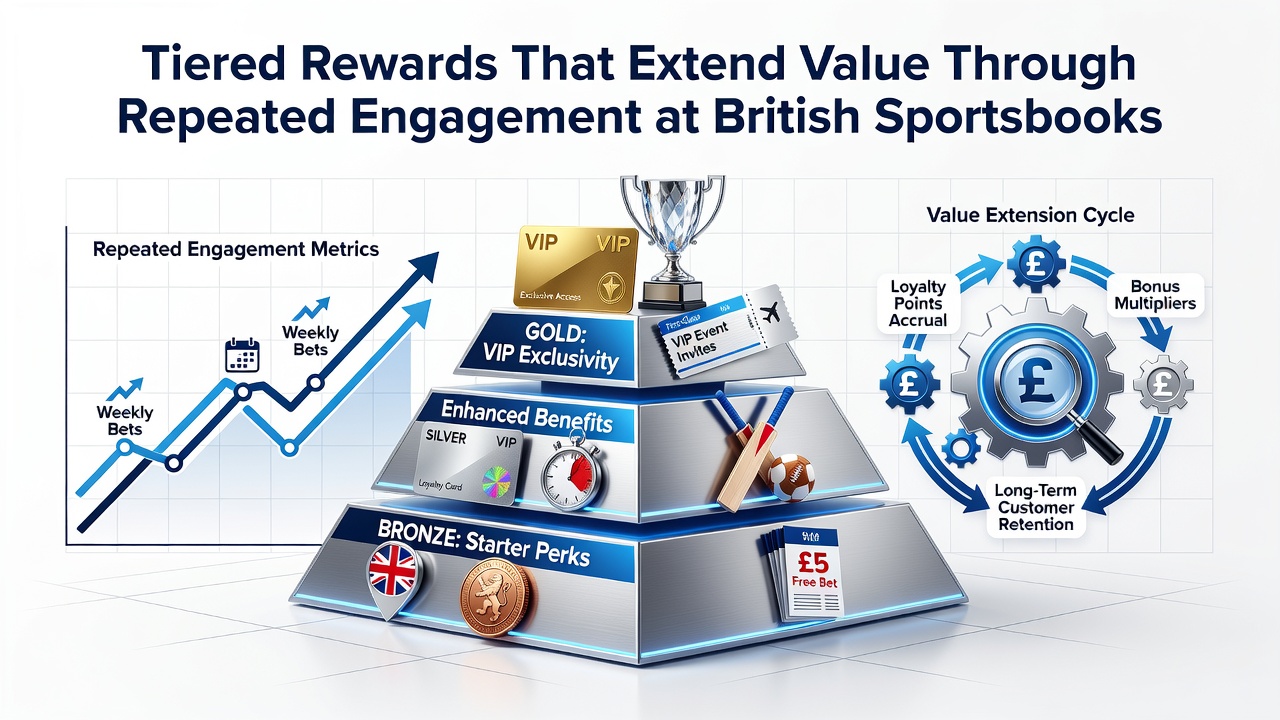
Tiered rewards frequently intersect with other promotional formats, allowing accumulated benefits to compound when users combine cashback credits with ongoing reload matches or event-specific boosts. This layering produces extended play cycles because rewards earned at one level remain available even after advancement occurs. Studies conducted by the University of Nevada's International Gaming Institute have examined similar loyalty architectures in regulated markets and found consistent patterns of increased retention when progression systems incorporate both immediate and cumulative advantages. British implementations mirror these findings through features that track historical activity and deliver milestone recognitions at each tier boundary.
Players often receive tier-specific communications outlining upcoming qualification windows and projected reward values, which helps maintain visibility into potential returns on continued participation. Mobile applications from leading operators display real-time progress bars and projected advancement dates, reducing friction for users monitoring their status. As of July 2026, several platforms expanded these dashboard tools to include predictive analytics based on recent betting trends, giving participants clearer projections of future tier eligibility.
Regional Comparisons and Industry Context
While British systems emphasize sports-specific wagering activity for tier progression, comparable frameworks in other jurisdictions incorporate casino verticals and poker rake contributions to broaden qualification pathways. Data compiled by the Canadian Gaming Association indicates that hybrid models across North American operators achieve similar retention outcomes, suggesting the underlying engagement principle transfers effectively across product mixes. British sportsbooks have retained a narrower focus on sports markets, yet the resulting tier structures still deliver compounding value through repeated deposits and wagers.
Platform operators publish aggregated tier-distribution statistics in annual responsibility reports, and these documents show that a growing proportion of active accounts reach at least the second tier within six months of registration. Such distribution patterns align with design goals of extending value beyond initial acquisition offers, shifting emphasis toward sustained relationships. External audits of these programs confirm that reward redemptions occur at rates consistent with published terms, supporting transparency in how repeated engagement translates into tangible player advantages.
Conclusion
Tiered reward programs at British sportsbooks function as structured mechanisms that convert consistent activity into escalating benefits, with qualification based on verifiable metrics and advancement tied directly to engagement volume. Industry reports and academic examinations document measurable effects on retention and lifetime value when these systems operate alongside other promotional tools. As platforms continue refining criteria in response to 2026 market dynamics, the core architecture remains centered on delivering progressive returns that reward ongoing participation across sports betting verticals.